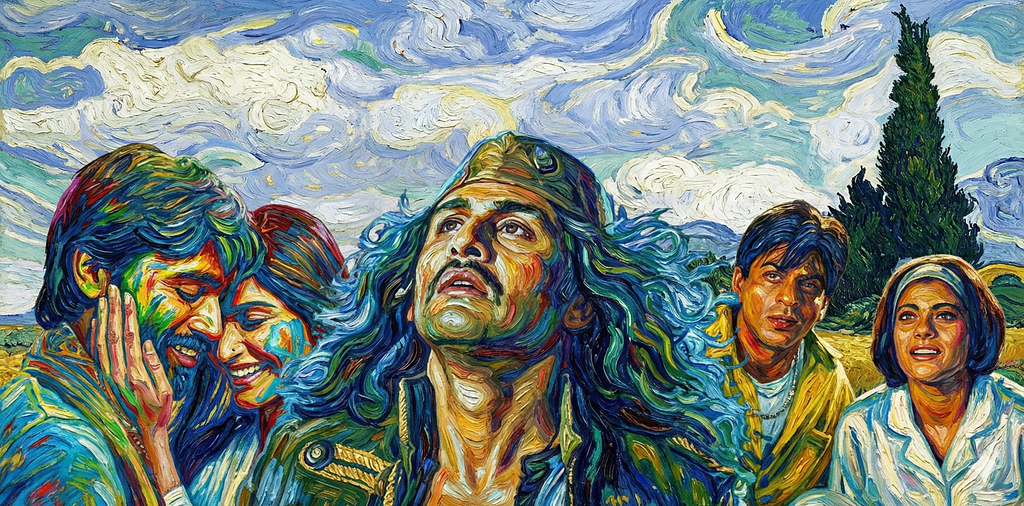
Some people keep falling in love with those who do not love them back. This is not just bad luck or poor judgment. Very often, it happens because they are scared of real intimacy and addicted to chasing. You will often notice that such people are uncomfortable with closeness itself. They struggle to hug properly, avoid emotional openness, and feel awkward when affection is actually returned.
This often comes from childhood experiences where the child grows up with caregivers who provide materially, behave responsibly, and are not overtly abusive, but are emotionally absent, distracted, depressed, anxious, or preoccupied. The child’s need for closeness is never openly rejected — it is quietly unmet.
As a result, the child learns: “Love exists,” “Love matters,” but “I must reach for it without ever fully receiving it.” This wires desire without satisfaction. Love comes and goes, which teaches the child to keep hoping and trying rather than feeling secure. Many such children also have to grow up early, taking care of others instead of being cared for, so love becomes something they give, not something they receive.
Over time, safety becomes linked with emotional distance, while desire becomes linked with absence and longing. As adults, real mutual intimacy can feel overwhelming or unsettling, while loving someone unavailable feels familiar and intense. Unreturned love then becomes a way to feel deeply without risking the inner stability that was built in childhood.
When love is one-sided, nothing real has to happen. There is no responsibility, no emotional exposure, no risk of being truly known. Yet it still gives the feeling of being in love, without the demands that real love brings. There is longing, imagination, hope, and emotional drama, but no true closeness, no shared vulnerability, and no deep intimacy. They know the other person will never love them back and that they will be stuck in this drama forever, but in a strange way, this feels safe.
A real romantic relationship is not just about attraction or sex. It demands emotional vulnerability. It forces you to deal with another person’s needs, flaws, expectations, and reactions. It challenges your self-image and changes you. For some people, this kind of closeness feels threatening rather than comforting.
Deep down, these people are focused on themselves. They are trying to figure out who they are, what they want, and how they fit into the world. They are on an inner journey. A truly mutual relationship would pull them out of that inner space and demand compromise, surrender, and emotional responsibility. This can feel like a distraction, or even a threat, to their personal growth.
At this point, they are especially vulnerable. Social media feeds on their confusion, dictating what they should do and what is right. Posts become proposals, likes become votes, and comments turn into mandates for how one should live. Their craving for love increases, but real emotional availability remains absent. As the gap between desire and fulfilment grows, the chase intensifies and begins to provide them with a sense of meaning.
So, without consciously realising it, they choose emotionally unavailable people. The rejection hurts, but it also keeps them emotionally alone. That loneliness feeds introspection, fantasy, emotional intensity, and an identity built around longing and suffering. Pain becomes familiar. Desire stays alive because it is never fulfilled.
In simple terms, unreturned love becomes a psychological shield. It allows them to avoid deep intimacy while still convincing themselves that they are trying to love. The pain feels meaningful, even noble, because it supports their inward focus.
The hard truth is this. They are not unlucky in love. They are protecting themselves from being fully involved in it. This pattern works only for a while. Eventually, the loneliness becomes unbearable, or the need for real connection grows stronger than the fear. When that happens, they face a choice. Remain emotionally safe and alone, or risk real intimacy and real change.
They sabotage relationships where real love comes their way because being loved is far more threatening than longing. When love is offered consistently and without conditions, it destabilises a self that was organised around emotional distance and self-reliance. Closeness feels intrusive rather than comforting, so they instinctively create distance through withdrawal, criticism, emotional numbing, or the sudden need for space. Wanting love feels safe; receiving it does not.
As a result, they remain caught in relationships where desire is sustained by absence and safety is preserved through control. Even when they are with good partners, something always feels missing, leading to chronic dissatisfaction and an underlying sense of unhappiness. They are not incapable of love. They are protecting a self that learned early that closeness threatens coherence, and until that fear is faced, love will continue to be pushed away the moment it becomes real.